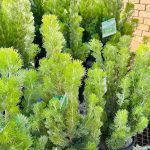
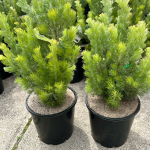
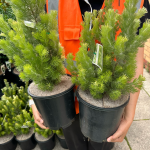
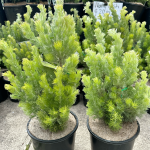
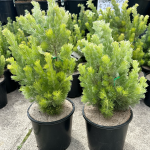
Botanical Name: Adenanthos sericeus
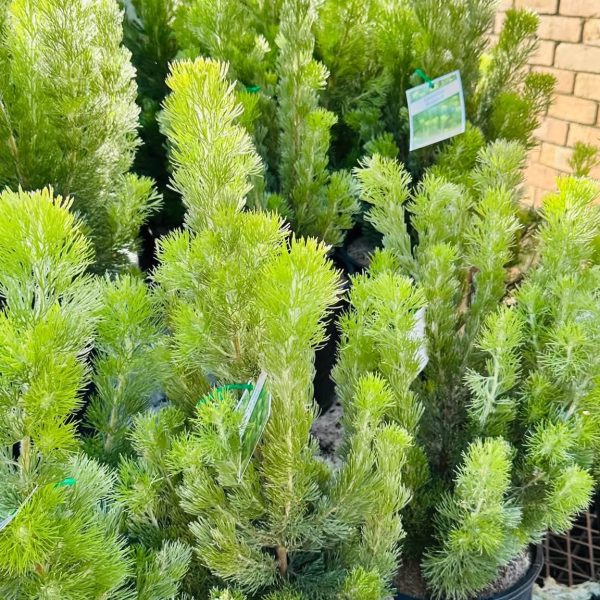
Woolly Bush is a distinctive Australian native evergreen shrub admired for its incredibly soft, fine-textured silver-green foliage. Its unique appearance adds a beautiful tactile quality and gentle movement to the landscape, bringing a relaxed coastal and contemporary feel to garden spaces.
Key Features
• Soft, velvety foliage creates a unique tactile garden feature
• Fast-growing under suitable conditions
• Naturally upright and bushy growth habit
• Excellent as a feature plant, informal screen or windbreak
• Well suited to coastal and Australian native gardens
• Tolerates drought, coastal conditions and salt-laden winds once established
Pet-friendly: Yes. However, pets should still be discouraged from eating large amounts of foliage or other plant material, which may cause digestive upset.
Size Available
• Height: 50–60cm tall
• Pot Size: 200mm
• Mature Size: Approximately 2–4m tall × 1.5–2.5m wide, depending on growing conditions and pruning
Care Guide
1. Light: Plant in full sun for the best dense growth and healthy foliage. Aim for at least 6 hours of direct sunlight per day. An open, well-ventilated position is ideal.
2. Water: Water deeply 2–3 times per week during the first few months after planting, adjusting according to rainfall, temperature and soil moisture. Once established, Woolly Bush is drought tolerant and generally only requires additional watering during extended hot and dry periods. Allow the soil to dry slightly between watering and avoid overwatering, particularly during cooler months.
3. Soil: Requires well-drained soil and performs particularly well in sandy or free-draining conditions. It does not tolerate consistently wet or waterlogged soil. If planting in heavy clay, improve drainage before planting or consider planting in a raised garden bed. For pots, use a high-quality, free-draining native potting mix.
4. Fertiliser: Woolly Bush generally requires minimal feeding. If needed, apply a low-phosphorus slow-release fertiliser formulated for Australian native plants in spring, following the manufacturer’s recommended application rate. Avoid high-phosphorus fertilisers and excessive feeding.
5. Pruning: Lightly tip prune when young to encourage a denser, bushier shape. Established plants can be lightly trimmed as needed to maintain the desired size and form. Avoid cutting heavily into old, bare wood, as the plant may not regenerate well from hard pruning. Remove dead or damaged branches as required.