


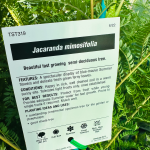

Botanical Name: Jacaranda mimosifolia
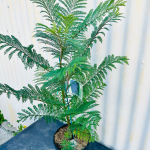
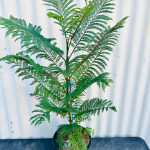
Jacaranda is a spectacular ornamental tree celebrated for its breathtaking display of lavender-blue to purple, trumpet-shaped flowers. When in full bloom, it creates a stunning seasonal feature, while its delicate, fern-like foliage brings a soft and graceful character to the landscape.
Key Features
• Produces spectacular masses of lavender-blue to purple flowers
• Main flowering display typically occurs from late spring into early summer
• Excellent as a statement tree for front yards, backyards and larger landscapes
• Provides welcome shade as the tree matures
• Deciduous to semi-deciduous depending on climate and growing conditions
• Fast-growing when young under favourable conditions
Pet-friendly: Yes. However, pets should still be discouraged from eating large amounts of leaves, flowers or other plant material, as this may cause digestive upset.
Size Available
• Height: 80cm tall
• Pot Size: 200mm
• Mature Size: Approximately 10–15m tall × 8–12m wide
Care Guide
1. Light: Plant in full sun for the best growth and flowering. Aim for at least 6 hours of direct sunlight per day. Choose an open position with enough space for the tree to develop its broad canopy as it matures.
2. Water: Water deeply 2–3 times per week during the first few months after planting, adjusting according to rainfall, temperature and soil moisture. Once established, Jacarandas are moderately drought tolerant but benefit from deep watering during extended hot and dry periods. Young trees require more consistent moisture while developing their root system. Avoid constantly wet or waterlogged soil.
3. Soil: Prefers fertile, well-drained soil but can adapt to a range of soil types. Improve poor soil with compost or organic matter before planting. Good drainage is important for healthy root development. Apply mulch around the root zone to help retain moisture and regulate soil temperature, keeping mulch away from direct contact with the trunk.
4. Fertiliser: Apply a balanced slow-release fertiliser suitable for trees in early spring as new growth begins. Young trees may benefit from another light application during the growing season. Avoid excessive high-nitrogen fertiliser, as this can encourage leafy growth at the expense of flowering. Always follow the manufacturer’s recommended application rates.
5. Pruning: Young trees can be lightly pruned to establish a strong, well-balanced framework. Once mature, Jacarandas generally require minimal pruning other than removing dead, damaged or crossing branches. Avoid heavy or repeated pruning, which can affect the tree’s natural shape and encourage weak regrowth. For large established trees, consider using a qualified arborist.