This product is currently sold out.
Join Waitlist →Botanical Name: Asparagus densiflorus ‘Myersii’
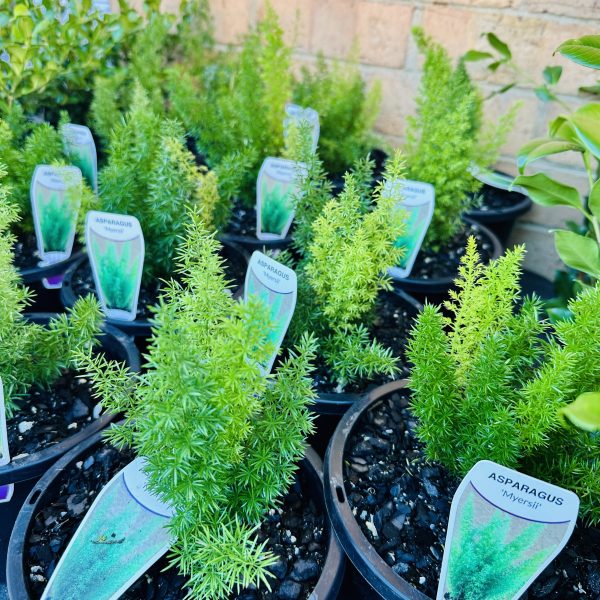
Foxtail Fern is an attractive evergreen perennial known for its distinctive upright, plume-like foliage that resembles soft green foxtails. Its fine texture and vibrant green colour bring a lush, elegant feel to garden spaces, making it a beautiful addition to tropical-inspired, contemporary and layered landscapes.
Key Features
• Unique upright, foxtail-shaped foliage creates beautiful texture
• Naturally compact and tidy growth habit
• Excellent for borders, garden edging and mass planting
• Ideal for layered planting and low-maintenance landscapes
• Suitable for pots, containers, courtyards and balconies
• Hardy and relatively drought tolerant once established
Pet-friendly: No. Foxtail Fern is considered toxic to cats and dogs if ingested. Please keep the plant out of reach of pets that may chew or eat plant material.
Size Available
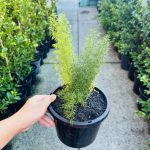
• Height: 20-30cm
• Pot Size: 175mm
• Mature Size: Approximately 60–90cm tall × 60–90cm wide
Care Guide
1. Light: Grows best in full sun to part shade. In Melbourne, a position with morning sun and some protection from harsh afternoon sun can help maintain fresh, healthy foliage. Plants grown in heavier shade may become less dense.
2. Water: Water deeply 2–3 times per week during the first few months after planting, adjusting according to rainfall and soil moisture. Once established, Foxtail Fern is relatively drought tolerant but benefits from watering around once a week during warm, dry periods. Container-grown plants may require more frequent watering. Allow the top layer of soil to begin drying between watering and avoid waterlogged conditions.
3. Soil: Prefers fertile, well-drained soil enriched with organic matter. It can adapt to a range of soil types provided drainage is good. For pots and containers, use a premium-quality, well-draining potting mix.
4. Fertiliser: Apply a balanced slow-release fertiliser in spring to encourage lush, healthy foliage. A second light application during the warmer growing season can be applied if needed. Avoid excessive fertilising and follow the manufacturer’s recommended application rates.
5. Pruning: Minimal pruning is required. Remove yellow, brown or damaged stems by cutting them back near the base to maintain a fresh, tidy appearance. Older or overcrowded plants can be selectively thinned to encourage healthy new growth.