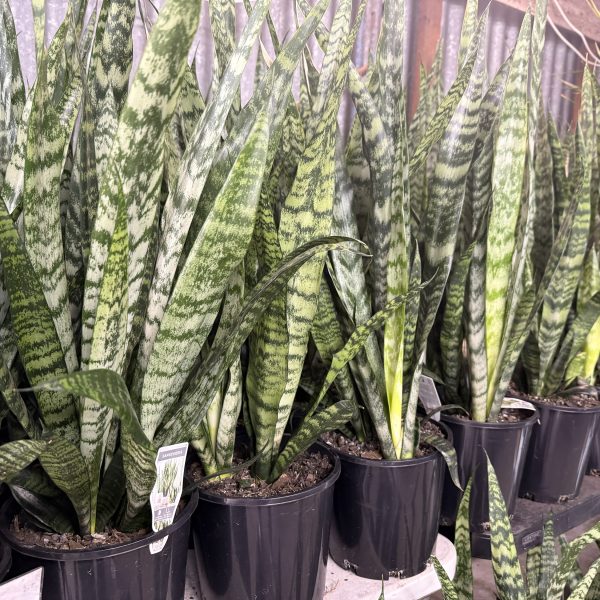
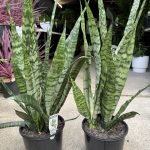
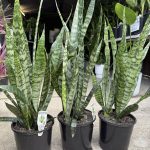
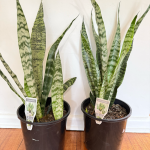
Botanical Name: Sansevieria
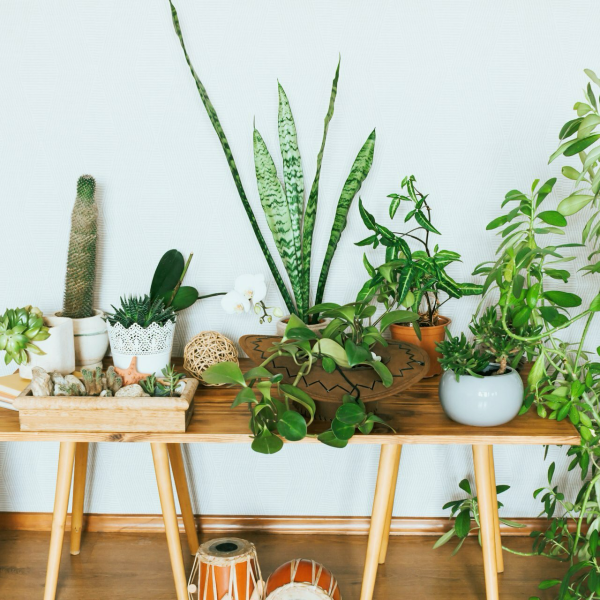
Snake Plant is a striking evergreen indoor plant known for its tall, upright leaves with distinctive green patterns and architectural form. Its clean, modern appearance adds height and structure to indoor spaces, making it a popular choice for homes, offices and contemporary interiors.
Key Features
• Extremely hardy and easy to care for, ideal for beginners
• Tolerates a wide range of indoor light conditions
• Requires minimal water and ongoing maintenance
Pet-friendly: No. Please keep the plant out of reach of pets that may chew the foliage.
Size Available
• Height: 60–80cm tall
• Pot Size: 200mm
Care Guide
1. Light: Highly adaptable and can tolerate low-light indoor conditions, but grows best in bright, indirect light. Some gentle morning sun is beneficial. Avoid prolonged exposure to intense direct afternoon sunlight, which may scorch the leaves. Plants kept in very low light will generally grow more slowly.
2. Water: Allow the soil to dry out completely or almost completely between watering. As a general guide, water approximately every 2–3 weeks during the warmer months. Water less frequently in winter, usually every 4-6 weeks, depending on indoor temperature, light and soil moisture. Always check the soil before watering rather than following a strict schedule. Overwatering is one of the most common causes of Snake Plant problems and can lead to root rot.
3. Soil: Requires a very well-draining potting mix. A quality indoor plant mix combined with additional drainage material, or a succulent and cactus potting mix, works well. Always use a pot with drainage holes and never allow the plant to sit in standing water.
4. Fertiliser: Apply a diluted liquid indoor plant fertiliser or a suitable slow-release fertiliser during spring and summer. Feeding once every 1–2 months during active growth is generally sufficient. Reduce or stop fertilising during winter when growth naturally slows.
5. Maintenance: Wipe the leaves down regularly with a damp cloth to remove dust and debris. This will help the plant absorb more light and maintain its glossy appearance. Minimal pruning is required. Remove damaged, yellow or soft leaves by cutting them cleanly at the soil line. Individual leaves will not regrow from a cut tip, so remove the entire leaf if necessary to maintain a neat appearance. Divide overcrowded plants during repotting if desired.
6. Common Issues
Here are some common problems you may encounter with Snake Plants and how to resolve them
• Yellowing leaves: This can be a sign of overwatering, poor drainage, or root rot. Make sure the pot has good drainage and adjust your watering schedule. Remove any affected leaves.
• Brown tips or edges: This can happen if the air is too dry, if the plant is under watered, or if it has been over-fertilised. Increase humidity slightly or water more consistently.
• Leggy growth: If your Snake Plant becomes leggy, it might not be getting enough light. Move it to a brighter location, but avoid direct sunlight.
• Leaf drooping or wilting: This usually happens when the plant is either overwatered or under watered. Adjust your watering habits and check the soil moisture level before watering again.
•Pests (like spider mites, aphids, or scale): Regularly inspect the plant, and treat any infestations promptly with insecticidal soap or a natural remedy like neem oil.